In short
- Sort out insurance before you drive. Driving a car you are not insured to drive can bring a £300 fixed penalty and 6 penalty points (as of 10 October 2026)[3].
- Start the engine from cold and watch the dashboard. Warning lights should go out after the engine starts[7].
- Drive for at least 15 minutes on different types of road[1]. Turn the radio off and listen.
- The MOT has no routine road test, and it does not check the engine, clutch or gearbox[9][8]. Only a drive shows you how they feel.
- Read the car’s MOT record first. Its advisories tell you what to listen and feel for.
On this page
- Before you drive: insurance and permission
- Walk round the car before you set off
- Start-up: a cold engine and warning lights
- On the road: steering, brakes, gears and suspension
- Sounds and feelings, and what they can mean
- Use the car’s MOT record to plan the drive
- After the drive: leaks, a restart and a second look
- What the MOT checks, and what only a drive shows
- Common questions
- Sources
Ask the seller’s permission[4], and take your driving licence with you[6]. Then sort out the insurance. It is the one part of a test drive with legal consequences.
You must have motor insurance to drive on UK roads, and third party is the legal minimum[2]. A car being insured does not mean you are. Even then, GOV.UK says you could be penalised if you are not correctly insured to drive it[3].
Ask the seller
A dealer usually has cover for test drives. With a private seller, ask what their policy covers. You may need your own fully comprehensive cover[6].
Check your own policy
An existing comprehensive policy may cover other cars on a third party basis. Ask your insurer to confirm what yours covers[4].
Or take out a short policy
Short-term policies exist. Which? suggests a standalone temporary policy for the drive[4].
Start with the tyres. The legal minimum tread depth is 1.6 mm across the middle three-quarters of the tread, all the way round the tyre[10]. Our guide to tyres and the MOT shows how to check.
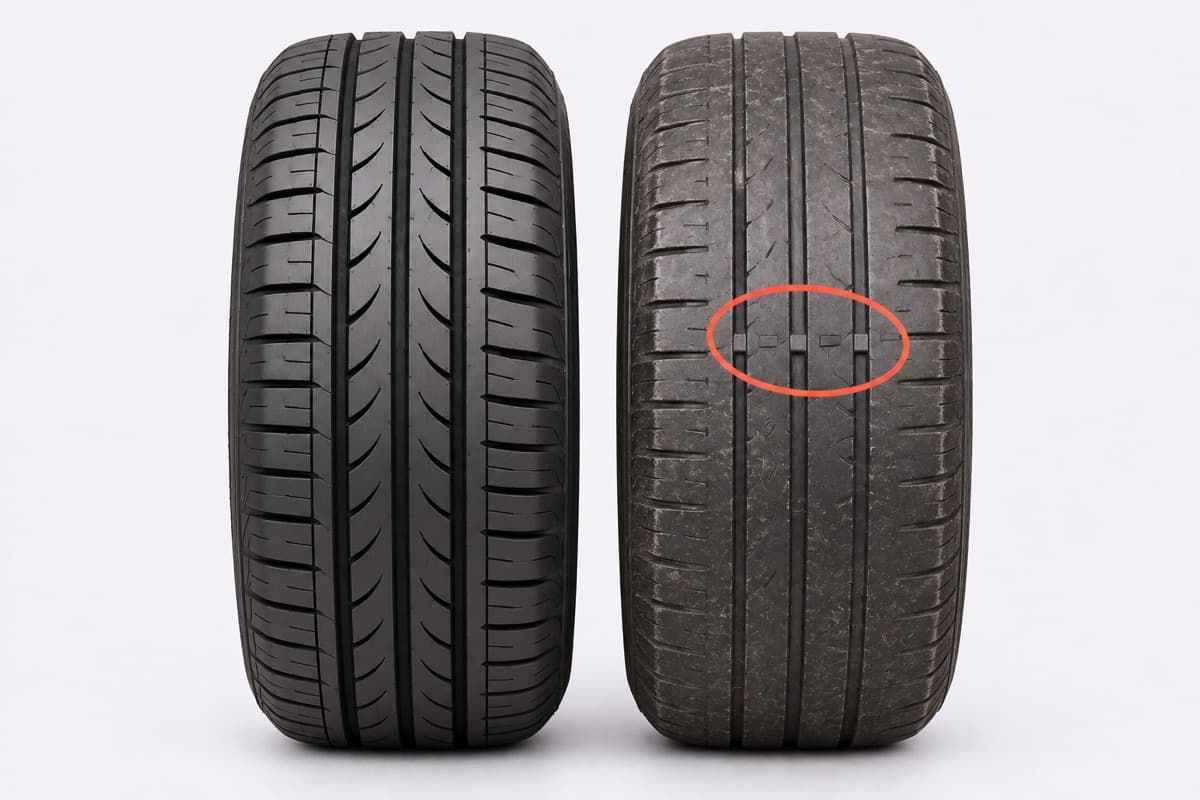
Tyres worn close to the legal limit, or on the edge, are recorded on about 1 in 5 MOTs (18.8%), mostly as advisories. This counts MOTs where the item was recorded as an advisory, a minor or a fail. It covers vehicles aged 3 and over (MOT Wise analysis of DVSA MOT results, 2025). So it is common, and worth a look at every tyre.
Look under the car and along the body for fluid leaks, uneven gaps between panels and paint that doesn’t quite match[5]. An oil leak that isn’t excessive is recorded on about 1 in 15 MOTs (6.7%), nearly always as an advisory. Same measure (MOT Wise analysis of DVSA MOT results, 2025).
Ask the seller not to start the car before you arrive. If the engine is already warm, ask why. A warm engine can hide a cold-start problem[4].
A car that struggles to start, or whose lights dim as the engine turns over, can point to a weak battery[4].
Then look at the dashboard. Warning lights should go out after the engine starts[7]. Any that stay on, or flicker, are a question for the seller.
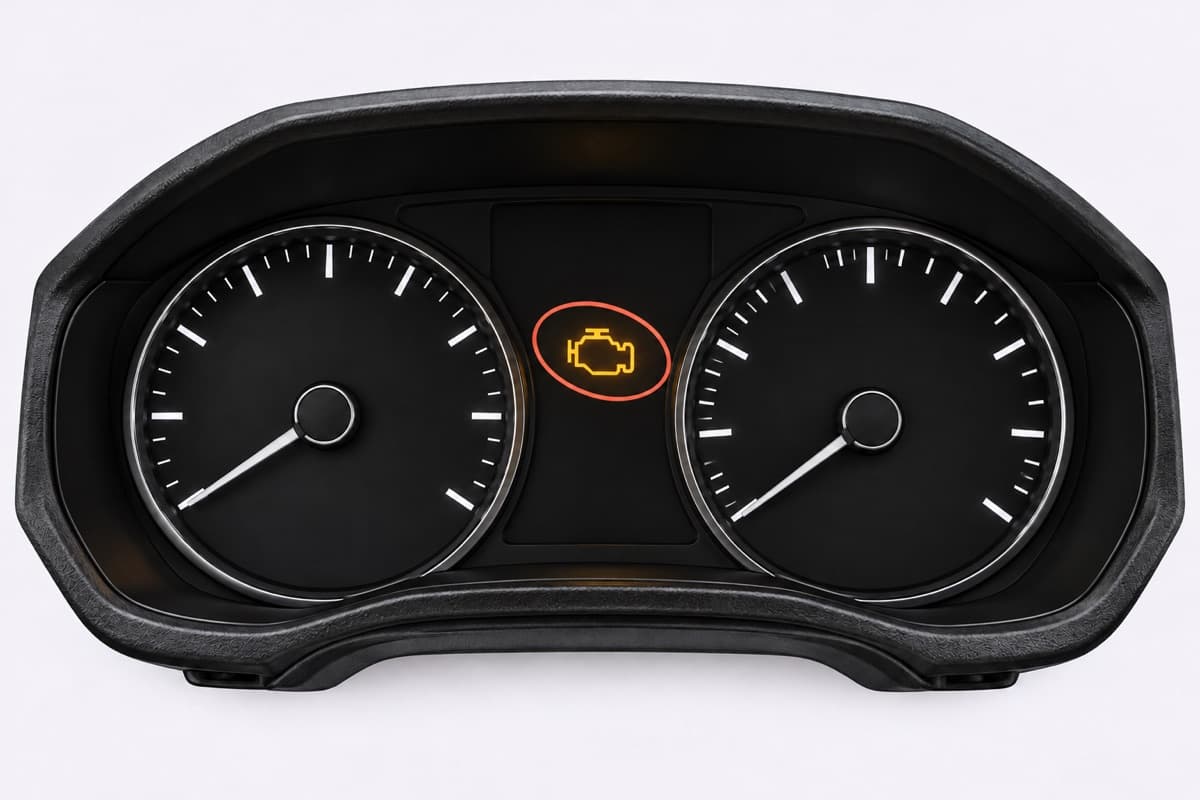
The MOT checks the airbag warning light and the lights for the seat belt’s safety parts (pretensioners and load limiters). It also checks the ABS (anti-lock brakes) and stability control lights where fitted[8]. So a light that is on now is something an MOT tester would also look at.
View the car in daylight and, if you can, in dry weather[1]. Turn the radio off so you can hear the car, and plan a route with town roads and faster roads.
On the drive, tick as you go
0 of 12 done
The last item matters. If the dashboard shows fewer miles than the last test, Which? says the mileage may have been wound back[4]. Our guide on how to spot mileage clocking shows what else to look for.
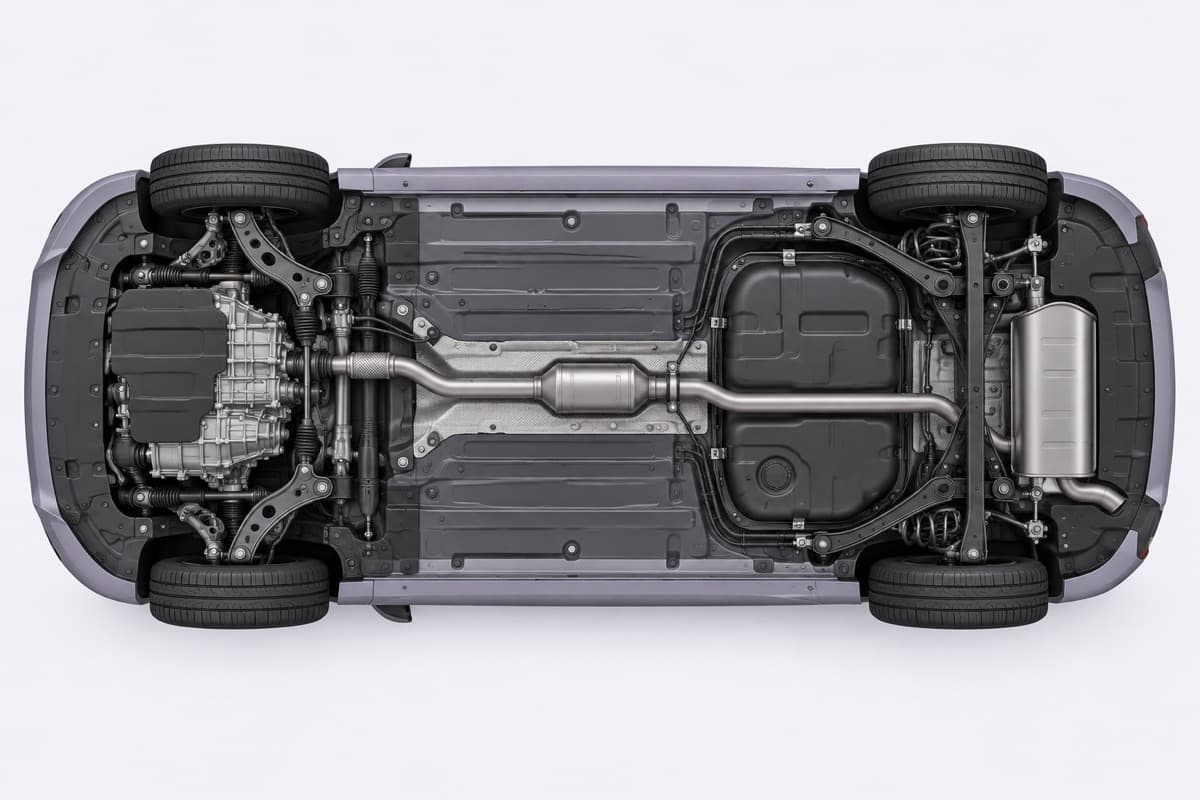
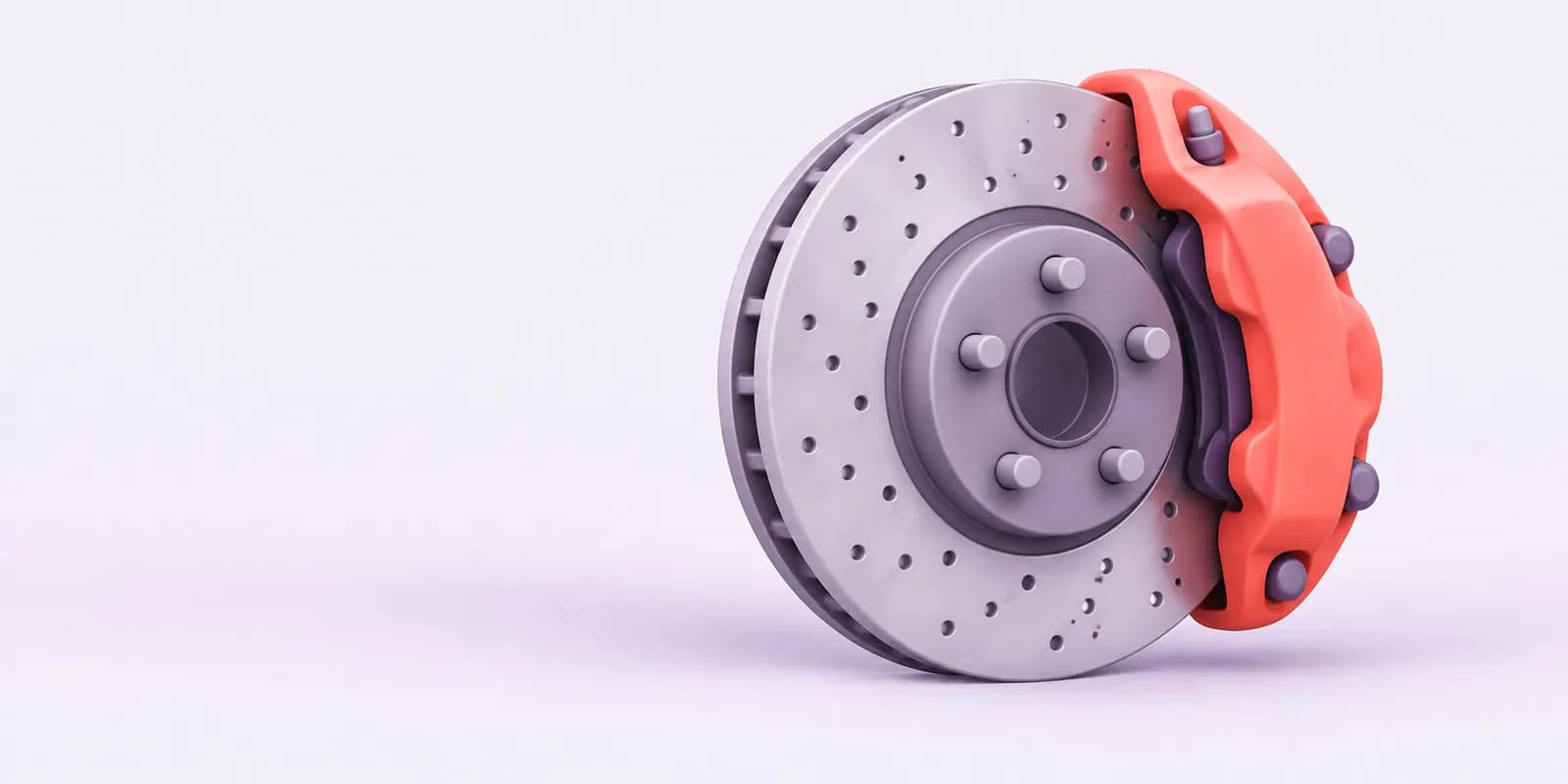
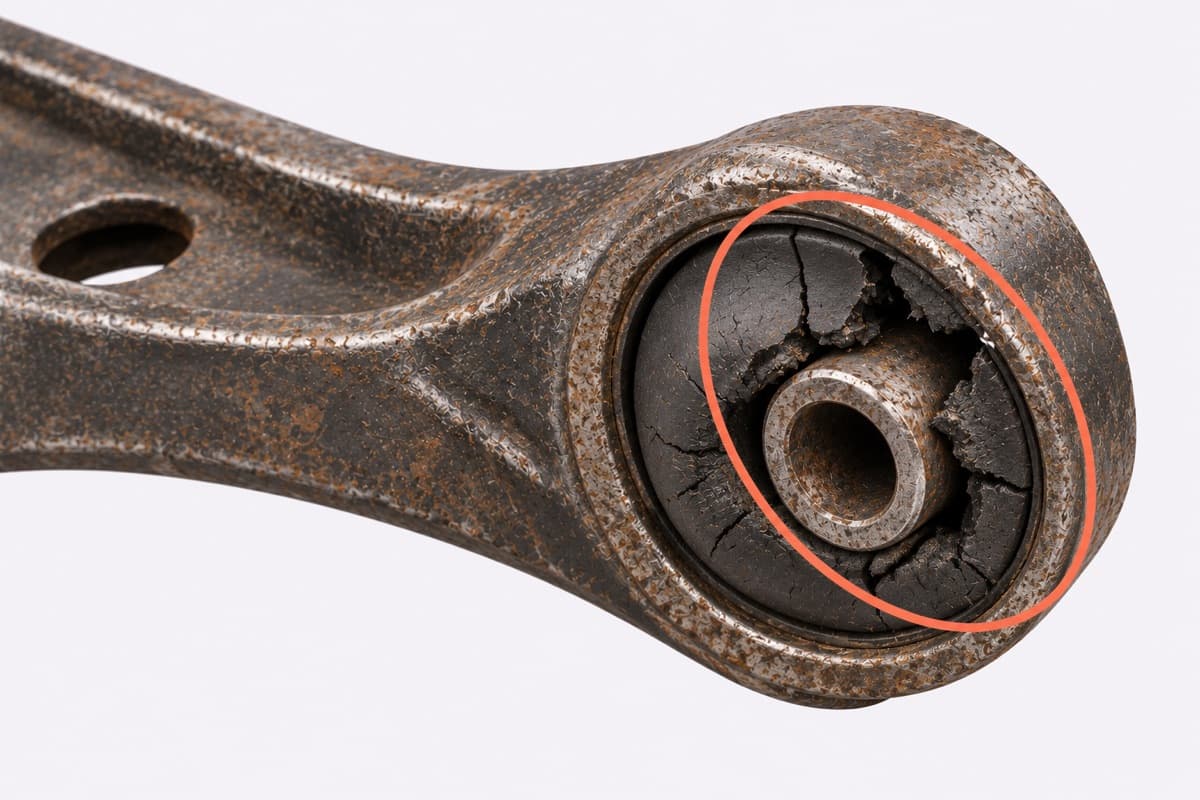
Suspension and brake items are among the commonest in MOT records. A bush is a rubber or metal sleeve where a suspension arm pivots. A worn bush or pin is recorded on about 1 in 8 MOTs (12%). A worn, pitted or scored brake disc is recorded on about 1 in 10 MOTs (9.3%). Brake pads wearing thin are recorded on about 1 in 12 MOTs (8.5%). Same measure as above (MOT Wise analysis of DVSA MOT results, 2025), and mostly advisories.
There is more on brakes and the MOT and suspension and the MOT.
None of these is a diagnosis. Each is a pointer, and only a mechanic can say what is wrong. Ask the seller, and weigh the answer against the car’s MOT record.
| Sound or feel | What it can mean |
|---|---|
| Whining when you turn the wheel | A failing power-steering pump, or low fluid What to ask: Has the steering been checked, and is there an invoice? |
| The car pulls to one side on a straight, flat road | The wheel alignment may be off What to ask: Has the alignment been checked? |
| Pulsing or wobbling through the brake pedal or steering wheel | Warped brake discs, which may need replacing What to ask: When were the discs and pads last changed? |
| Thumps, clunks or knocking over bumps | Worn suspension parts What to ask: What suspension work has been done? |
| Juddering or slipping when you pull away | Clutch problems. A biting point high in the pedal’s travel may mean it needs replacing What to ask: When was the clutch last replaced? |
| Knocking or tapping when you speed up | Wear in the engine What to ask: Can I see the service history? |
| A very loud exhaust | A corroded exhaust that is leaking What to ask: Has the exhaust been repaired? |
| A slow start, or lights that dim as the engine turns over | A weak battery What to ask: How old is the battery? |
Pointers from Which?[4] and RAC[5]. They show what a sound can point to, not what is wrong with this car.
The MOT record is the other half of a test drive. A drive shows you the car today. The record shows what testers noticed at past tests. Read it before you go and take its advisories with you.
| If recent MOTs noted… | On the drive, check… |
|---|---|
| Tyres worn close to the limit, or on the edge | The tread and the wear pattern across each tyre, not just the depth. |
| Brake pads or discs wearing | Pulsing through the pedal, noise when braking, and whether the car stops straight. |
| A suspension arm bush, shock absorber or spring | Thumps and clunks over bumps. Ask what was done. |
| A steering fault | Smooth steering, and a car that tracks straight. |
| An exhaust leak | A very loud exhaust. |
| A warning light failing the test | That the light goes out after the engine starts. |
Our guide to lights and the MOT covers the bulbs and lamps you can check in a minute.
- Park, switch off and look under the car for fresh drips.
- Restart the engine now that it is warm, as RAC suggests[5]. It should start easily.
- Look at the dashboard again for warning lights.
- Write down anything that bothered you while it is fresh, and ask the seller about each point.
- If something worried you, an independent inspection report typically costs around £120 to £250 (as of 10 October 2026)[1].
Checked at the MOT
- Brakes: condition and performance
- Steering and suspension: condition and operation
- Tyres and wheels
- Lights, wipers, washers and the windscreen
- Warning lights, such as airbag, seat belt safety parts, ABS and stability control
- Rust (the MOT says corrosion), damage and sharp edges on the body[8]
Only a drive shows
- How the engine starts, runs and sounds
- How the clutch feels and how the gears change
- How the car feels as you drive: pulling, vibration, noise
- Whether the car suits you and your journeys
A road test is not a routine part of the MOT. A tester may drive the car if they need to check an inspection result[9]. The test does not check the engine, clutch or gearbox either[8]. So a recent pass doesn’t tell you how the car drives.
A drive can’t show finance owed, a past write-off or whether the car has been reported stolen. Our guide on what an MOT history can’t tell you explains those checks. For the whole process, see the used car buying checklist, and the questions to ask a seller.
Common questions
Do I need insurance to test drive a car?
Yes. You must be insured to drive on UK roads. A dealer usually has cover for test drives. With a private seller, check what their policy covers, as you may need your own cover. Driving a car you are not insured to drive can mean a £300 fixed penalty and 6 penalty points (as of 10 October 2026).
How long should a test drive be?
Citizens Advice says at least 15 minutes, on different types of road. A longer drive shows more, including how the car behaves once the engine is warm.
Why should the engine be cold when I arrive?
A cold start can show problems that a warm engine hides, such as a weak battery or a struggling start. If the engine is already warm when you arrive, ask why.
What should I listen for on a test drive?
Turn the radio off. Listen for whining when you steer, knocking over bumps, a very loud exhaust and juddering as you pull away. Each can point to a problem, but only a mechanic can say which.
Does the MOT include a road test?
Not as a routine part. A tester may drive the car if they need to check the result of an inspection. The MOT does not tell you how the engine, clutch or gearbox feel, so only your own drive does.
Sources
- Buying a used car. Citizens Advice.
- Vehicle insurance. GOV.UK.
- Vehicle insurance: driving without insurance. GOV.UK.
- How to buy the best used car. Which?, 2026.
- Buying a Used Car: The Ultimate Checklist. RAC Drive, 2025.
- How to arrange a test drive. Auto Trader, 2021.
- How to Buy a Car in the UK. AA Cars, 2026.
- Car parts checked at an MOT. DVSA, 2015.
- MOT inspection manual: introduction, 15. Road testing. DVSA, 2026.
- MOT inspection manual: 5.2.3 Tyres. DVSA, 2026.