
Rover Mini Classic (1986–2000) (1986-2000) reliability
Rover Mini Classic (1986–2000) built before 2000: about average at the MOT
Rover Mini Classic (1986–2000) models built before 2000 fail their MOT about as often as similar cars the same age. An independent inspection matters more than the wider numbers on cars this old.
Looking at a Rover Mini Classic (1986–2000) right now?
Enter its number plate to see its full MOT history, risk rating and running costs.
Key figure
24% of MOT tests on Rover Mini Classic (1986–2000) models built before 2000 ended in a fail (retests included), against 25% for similar cars the same age.
Most common issue
The most common MOT issue on Rover Mini Classic (1986–2000) models built before 2000 involves the suspension.
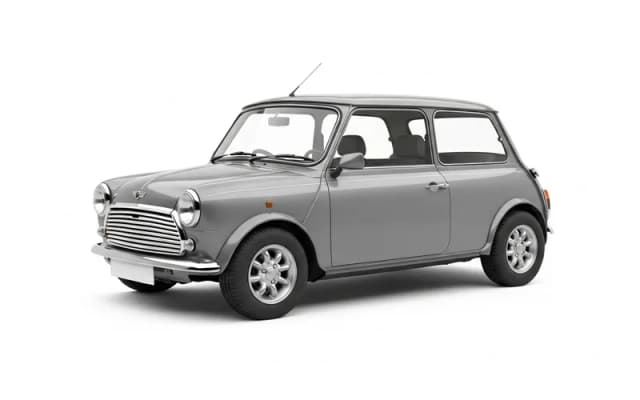
Based on 12,236 tests of Mini models registered 1986-2000.
About 1 in 8 Mini Classic (1986–2000) MOTs (12.2%) failed and still hadn't passed 3 days later. That's for cars built before 2000 (over 25 years old), all fuels combined.
Based on 11,574 tests (DVSA MOT results, 2025). A fail that passed a retest within 3 days, even the same day, isn't counted. Nor is a fail with no later MOT on record.
About 1 in 25 Mini Classic (1986–2000) MOTs (4.1%) found at least one dangerous defect. These are cars built before 2000 (over 25 years old).
Based on 11,574 tests (DVSA MOT results, 2025). Dangerous is the most serious grade an MOT gives: a direct risk to road safety.
Classic (1986–2000) fail rate by age
Fail rate is the share of MOT tests that ended in a fail. Retests count as tests. How we count fail rates Build years are worked out from age, so they are approximate. Tests counted are 2025 MOTs. Highest fail rate at 25+ years old.
How the Mini Classic (1986–2000) compares
At each age below, see how the Mini Classic (1986–2000) holds up against other cars the same age. The averages combine all fuel types.
Based on 15,275 tests across 7 Rover models, built before 2000 (over 25 years old).
Fail rate is the share of MOT tests that ended in a fail. Retests count as tests. How we count fail rates Build years are worked out from age, so they are approximate. Tests counted are 2025 MOTs.
What to check before viewing
The model's most common MOT issues, turned into things you can ask about or look for.
Suspension bushes and joints
Worth checkingListen for knocks over speed bumps and ask about recent control-arm or anti-roll-bar work.
Leaks
Worth checkingInspect the leaks carefully and ask the seller for repair history.
Suspension
Worth checkingInspect the suspension carefully and ask the seller for repair history.
Axles & Wheels
Worth checkingInspect the axles & wheels carefully and ask the seller for repair history.
Tyres
Worth checkingCheck tread depth across the full width on all four; uneven wear suggests alignment or suspension issues.
Vehicle-specific check
Worth checkingCheck the car’s number plate on MOT Wise to see its own MOT history and any recalls for its build years.
Other hatchbacks to compare
Other hatchbacks, with each one's figures taken at the same age as the Mini Classic (1986–2000).
- 1

Ford Sierra
Same body type, tested at the same age
- Fail rate
- 11.5%
- Fail, no pass in 3 days
- 6%
- Dangerous
- 1.5%
Lower fail rate: 11.5%, against 23.7% for the Rover Mini Classic (1986–2000), both built before 2000.
3,022 MOT tests on cars built before 2000
- 2
Vauxhall Nova
Same body type, tested at the same age
- Fail rate
- 15.2%
- Fail, no pass in 3 days
- 6.8%
- Dangerous
- 2.2%
Lower fail rate: 15.2%, against 23.7% for the Rover Mini Classic (1986–2000), both built before 2000.
1,003 MOT tests on cars built before 2000
- 3
Ford Escort
Same body type, tested at the same age
- Fail rate
- 16.8%
- Fail, no pass in 3 days
- 9.6%
- Dangerous
- 3.8%
Lower fail rate: 16.8%, against 23.7% for the Rover Mini Classic (1986–2000), both built before 2000.
10,088 MOT tests on cars built before 2000
- 4

Subaru Impreza
Same body type, tested at the same age
- Fail rate
- 19.9%
Lower fail rate: 19.9%, against 23.7% for the Rover Mini Classic (1986–2000), both built before 2000.
2 critical recall campaigns matching this model/build period.
2,760 MOT tests on cars built before 2000
- Fail rate
- = the share of MOT tests that ended in a fail. Retests count as tests.
- Fail, no pass in 3 days
- = the share of MOT tests that failed and still hadn't passed 3 days later. A fail that passed a retest within 3 days, even the same day, isn't counted.
- Dangerous
- = the share of MOT tests where the tester marked a fault as dangerous. It is against the law to drive the car until it is fixed.
Recall context
1 recall in all1 Mini Classic (1986–2000) recall covers cars built in these years.
- 1 recall
Top concerns
- Rear wheel bearing may fail
For the exact car, check GOV.UK's recall checker with the number plate.
What has gone wrong on Mini Classic (1986–2000) cars built before 2000
The share of petrol cars that have ever failed an MOT on each part of the car. Based on 3,531 cars.
Rust, which the MOT calls corrosion: 54% of these cars show rust-related issues at this age.
Check the sills, subframe and brake pipes before you decide.
Fail rate by engine size, built before 2000 (over 25 years old)
Engine sizes across all petrol Mini tests (not specific to Classic (1986–2000)).
How Mini Classic (1986–2000) cars have aged
How Mini Classic (1986–2000) cars have aged
How fail rates have changed as these cars got older. Each line follows cars first registered in about the same year across several years of MOT data. Not a prediction for any one car.
Some lines cover only a year or two, so read this as a rough guide.
Classic (1986–2000) variants compared
Most common issues on Rover Minis of this age
This list covers every Rover Mini built before 2000, whichever generation it is. We don't have a defect list for the Classic (1986–2000) on its own.
Most common advisories and fails
In order of the share of MOT tests that recorded each one
- 114.3%Advisory
Oil leak, but not excessive
- 212.0%Advisory
Suspension arm pin or bush worn, but not moving too much
- 36.8%Advisory
Wheel bearing has slight play
- 45.5%Advisory
Exhaust has a minor leak
- 55.5%Major
Exhaust emissions above the limit
Based on 12,243 tests
Looking at a Rover Mini Classic (1986–2000) right now?
Enter its number plate to see its full MOT history, risk rating and running costs.
Frequently asked questions
Built before 2000 (over 25 years old), the Rover Mini Classic (1986–2000) (1986-2000) fails MOTs at about the rate typical for this age. This is based on 11,574 25+ year old MOT tests from DVSA data. Each retest counts as a test.